Return to Makiungu Hospital 1981-1989
by Sr. Margaret Anne Meyer, MMM USA 04.02.2026
 Soon it was time for Sr. Dr. Maureen Mc Dermott to go on home leave and have a sabbatical. Maureen spent some time at the Maryknoll Sisters cloister and lived their contemplative life. She told me she loved being there and her work was to make altar breads. Sr. Dr. Marian Scena had arrived a few months earlier. She, Dr. Rijken, his wife, Margaret, and I formed a good team to look after about three hundred patients. We relied heavily on the help of our Sister nurses and staff. We were always busy and happy to be there.
In April 1980, I went for home leave, and upon return, I went to language school in Kipalapala, Tabora Region. It was over four hundred kilometres from Dareda. Long ago, the priests used to walk that distance to the seminary. I met one of the first priests ordained from Mbulu. He told me it was not unusual to meet lions on the way. He was brave and had many good stories.
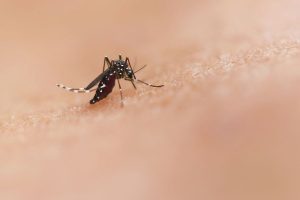
The Tanzanian Sisters, MABINTE WA MARIA, told me that many years ago, they too, had difficulties joining the convent in Tabora because the mosquitoes were quite active there. Many died from malaria. Dareda had previously been immune to malaria because of the area’s four thousand feet elevation. Gradually more mosquitoes were seen, and we were getting more people with chloroquine-resistant malaria. I had read about Chloroquine-resistant malaria happening among the American soldiers in Vietnam and wondered if this phenomenon would reach Africa. I was soon to find out.
When Sr. Maureen Mc Dermot returned from home leave, she was assigned to Makiungu Hospital. A lay Doctor and his wife and child were also there. When his contract was up in 1981, Sr. Maureen asked me to work with her in Makiungu. I went there after traveling 36 hours by bus to Mbeya for a retreat and 24 hours by train and bus to Singida.
It was good to be with her again. There were some changes in the community. Sr. Mairead Carroll had returned to Drogheda and Sr. Dolores Kelly was in charge of the Pharmacy. I was full of admiration for her. She could make liquid quinine for the small children in a manner which they could accept. Our children’s ward, which comfortably held thirty beds, was now inundated with ninety children, about one third on blood transfusion. The malaria parasite attacked the red cells and anaemia resulted. One little girl was in coma for three days and suffered severe side effects of quinine and recovered but was blind. It was a very distressing time. Chloroquine-resistant malaria was becoming increasingly evident, and we were kept busy with all the complications.
One evening an elderly man arrived in a cart drawn by a donkey. He convulsed for a long time and after each sedation, I would go outside the ward and look at the donkey. He had cerebral malaria and finally settled down. Prayers, quinine, and the donkey had saved the situation.
At that time, we were about 10 Sisters in community. Two Tanzanian postulants joined us for their apostolic experience. It was good to have young blood and enthusiasm around us. One of the postulants, Sr. Maria Goretti Nalumaga, was told by her mother to look for Dr. Meyer. Her mother almost died in Uganda from obstetric complications, and she wanted to greet me through her daughter. Sr. Goretti only knew me as Sr. Margaret Anne until she began working in the hospital. I had the good fortune to visit her mother and father later and it was truly a great reunion of thanksgiving and love. But that will be later in another stor
SEE ALL BLOG POSTS